
Build an approval‑ready credit profile
Understand what’s driving your credit decisions, identify items that may be unfair or inaccurate, and take a structured next step toward stronger approvals and better terms.
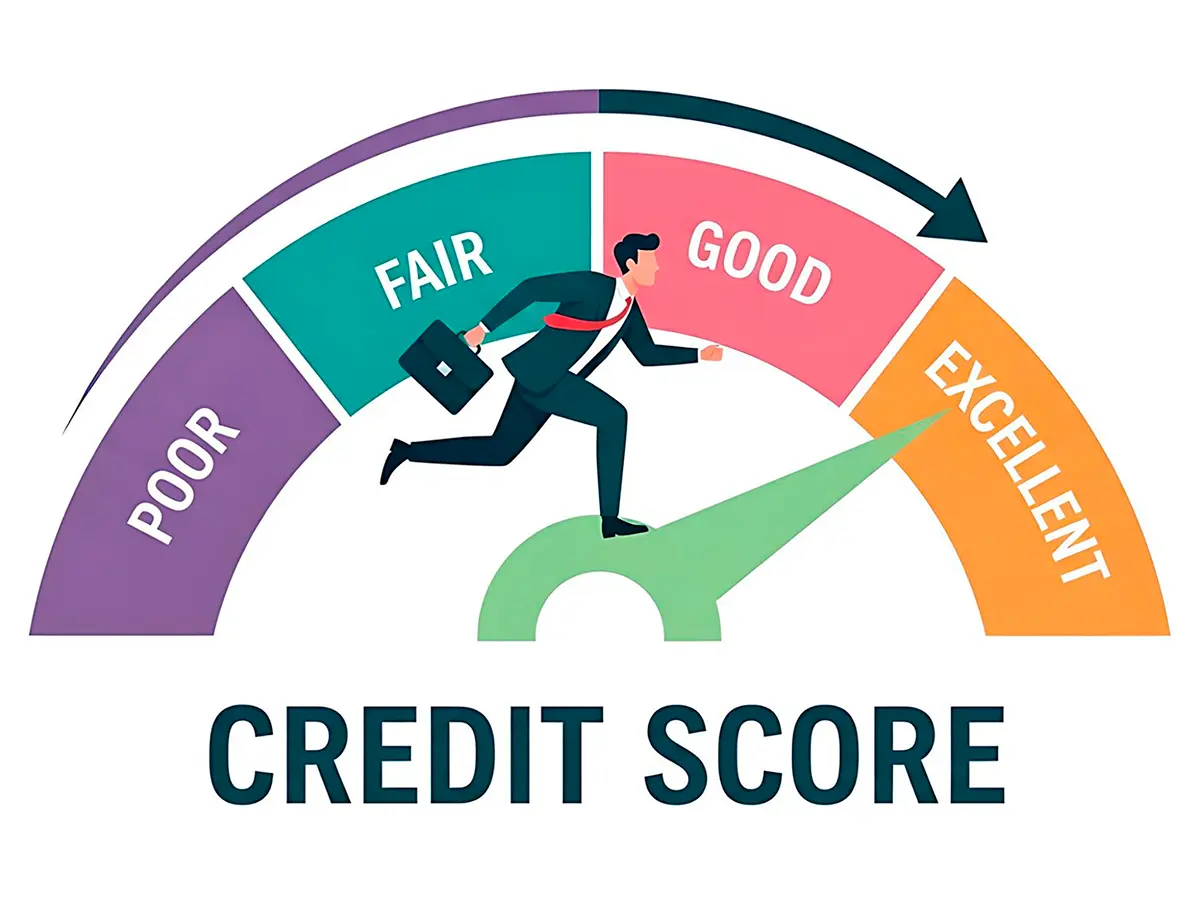
Built around established U.S. credit reporting practices and dispute procedures under the Fair Credit Reporting Act (FCRA). No unrealistic promises—just clarity, documentation, and structured credit improvement.
Unlock more options
Choose the outcome you care about. We’ll outline what improves it—and what to watch for—so you can move forward with confidence.
Your path to stronger credit
A stronger credit profile can mean better approval odds, improved loan terms, and more financial flexibility. Get a clear, no-fluff overview of what credit improvement can help you achieve — then take the next step when you're ready.
Credit decisions in the U.S. are typically influenced by payment history, utilization ratios, account age, recent inquiries, and the accuracy of reporting across major credit bureaus.
Even small inconsistencies can affect lending algorithms. A structured credit improvement approach focuses on verified data, responsible usage patterns, and consistent financial behavior.
*Results vary. This page does not guarantee outcomes.
How it works
A straightforward workflow used by reputable credit‑support programs: review, challenge what’s questionable, and build stronger habits while updates are processed.

Review your starting point
Clarify your goal and look at what’s currently affecting approvals and terms.

Identify what can be challenged
See what information is typically needed, what to expect next, and how the workflow usually looks.

Move forward
Continue to explore available options and take the next step toward better credit outcomes.
credit repair agency decisions for cautious, time-smart progress
I favor steady, verified improvements over flashy promises. If you're risk-averse, a structured approach with clear checkpoints will save time, money, and stress.
Diagnose the problem before hiring
Pull all three reports, list every negative item, and mark each as either an error, an outdated record, or a legitimate debt. I use a simple sheet with columns for bureau, account, issue, evidence, and next action. This keeps conversations with any credit repair agency efficient and focused.
What a careful agency actually does
- Audit fast, act slow. Identify high-impact errors first (mixed files, duplicates, paid debts still listed as open collections).
- Targeted disputes, not templates. Letters cite facts, dates, and documents you provide.
- Collector validation. For collections, request proof of ownership and itemization before negotiating.
- Action calendar. Map 30 - 45 day cycles aligned with bureau response windows.
- Tracking. Maintain a shared log of disputes sent, responses received, and next steps.
- Education. Guidance on balances, utilization, and payment timing so new negatives don't appear.
Vetting checklist (avoid regret)
- No upfront guarantees. Watch for compliance with law: no impossible promises, transparent fees, plain-language contract, and an easy cancellation path.
- Security. Ask how they store IDs and reports; avoid email attachments without encryption.
- Proof of process. Request a sample dispute (redacted) to see specificity and tone.
- Reasonable timelines. Corrections often land in 30 - 90 days; sweeping overnight "fixes" are a red flag.
- Ethics. Steer clear of "tradeline rentals," identity resets, or any scheme that sounds clever but crooked.
Work together efficiently
Assemble IDs, recent statements, settlement letters, and any police/FTC reports for fraud. Use a single folder and a simple naming scheme. Send copies, not originals. Ask the agency to prioritize one bureau per cycle for complex issues to limit cross-bureau confusion. Set a 20-minute monthly check-in and stick to it. Meanwhile, pay on time, keep utilization under 30% (under 10% for a score nudge), and avoid opening new accounts mid-cycle.
Pragmatic caveat: if you plan a mortgage in the next 60 days, active disputes can pause automated underwriting; coordinate timing with your loan officer before sending any letters.
A small, real-world win
On a Tuesday evening I called a reputable agency about a duplicated telecom bill that reappeared after payoff. We logged the evidence, they drafted a precise dispute citing dates and account numbers, and within one cycle the duplicate vanished. My score rose 18 points - modest, but exactly what I needed to qualify for a better auto rate the following month.
What not to expect
Accurate late payments and recent bankruptcies won't be "deleted" on demand. Results vary by bureau, and older collections sometimes remain even when paid. No one can ethically guarantee specific points.
DIY or agency?
If you're organized and have a few hours each month, you can draft disputes yourself using your documentation. If time is tight - or you're juggling multiple collectors - an agency can systematize the process. You can also start DIY for 60 days and bring in help only if responses snowball.
Quick start plan
- Collect reports and highlight errors.
- Rank by impact and proof on hand.
- Interview two agencies using the checklist.
- Agree on a 90-day plan with milestones.
- Review results monthly; adjust or exit if progress stalls.
Use structure, insist on clarity, and expect measured but meaningful gains. That's the safest, most efficient path forward.
Lexington Law Firm advocates for you, using powerful legal strategies to fight the injustice in your credit reports.
Credit repair companies claiming to erase credit problems, remove situations like bankruptcies from your credit reports, or create a new credit identity for ...
CNBC Select rounds up the top five credit repair companies based on fees, customer satisfaction ratings, company history, availability and money-back ...
Frequently asked questions
A clear next step — without the guesswork
See what’s impacting approvals and what may deserve a closer look.
Understand how disputes are structured and what documentation matters.
Improve utilization, consistency, and long-term credit stability.
See what improving your credit could change
Take a structured next step based on your current profile — and decide with clarity.